Vertical Deflection Speed Reduction Techniques (MUTCD Update)
UPDATED ITE RECOMMENDED PRACTICE
ITE Releases Updated Recommended Practice
ITE has released an updated version of the Guide to Vertical Deflection Speed Reduction Techniques Recommended Practice as a web-based publication with a downloadable companion PDF.
This revised version incorporates references to the Manual on Uniform Traffic Control Devices, 11th Edition, Revision 1, and other recent publication updates.
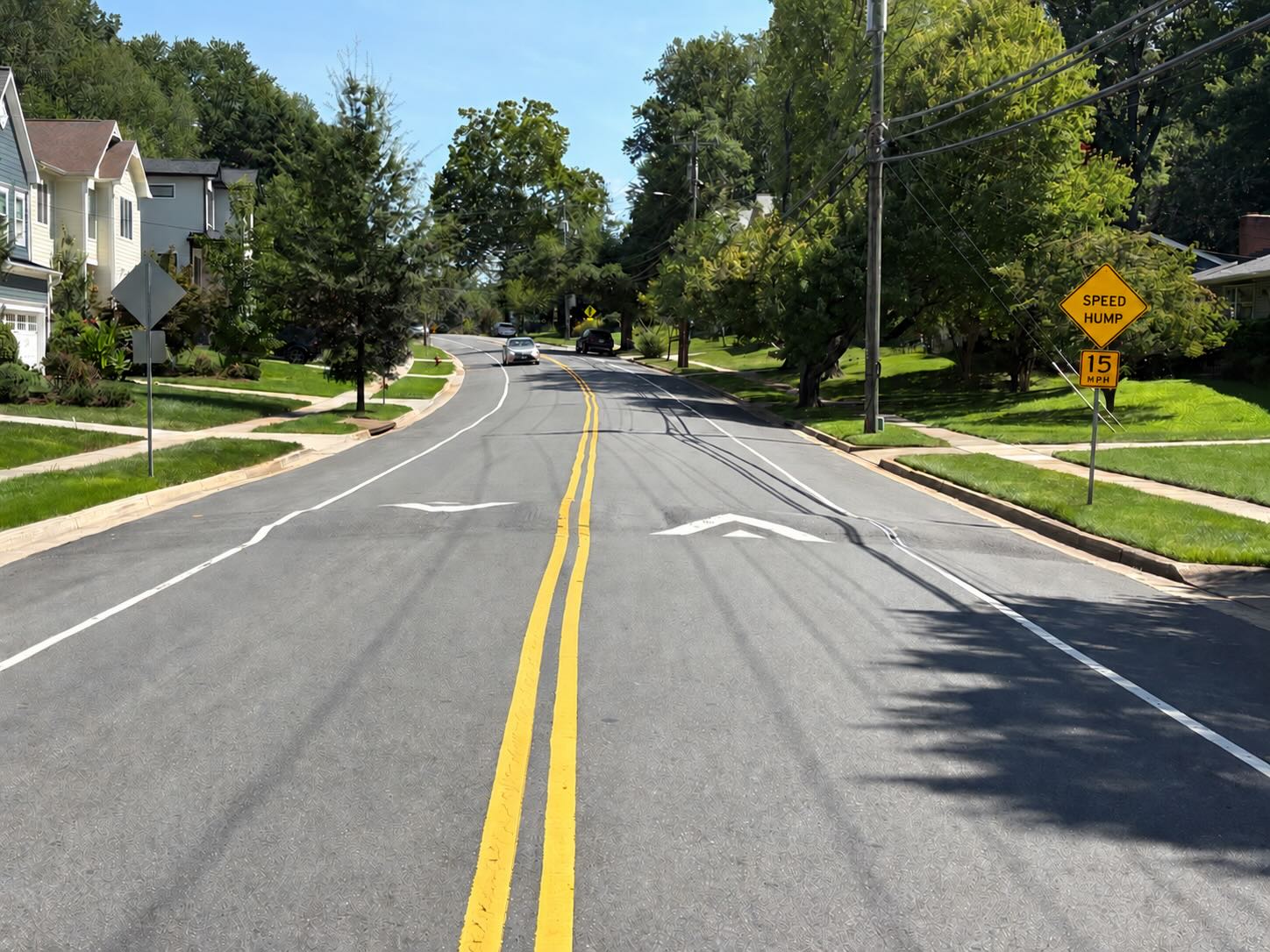
Guide to Vertical Deflection Speed Reduction Techniques
Already Purchased This Recommended Practice?
If you have already purchased the Guide to Vertical Deflection Speed Reduction Techniques and are looking to access your digital publication, use the link below. You will be asked to sign in with your ITE account to access the publication.
Current Edition
Supersedes the prior edition published in 2022 (RP-038C).
Updated References
Includes MUTCD 11th Edition, Revision 1, and other publication updates.
Digital Publication
Web-based publication with a downloadable companion PDF for offline reference.
About the Recommended Practice
The updated product reflects the current state-of-the-practice and provides the user with a broad overview of key considerations for vertical deflection measures as speed reduction techniques including speed humps, speed tables, raised pedestrian crossings, raised intersections, traffic calming roundabouts, and other vertical deflection road design elements. This version of the recommended practice supersedes the prior edition published in 2022 (RP-038C). The underlying recommendations have not changed since the prior edition.
The recommended practice was written primarily for engineers and planners working for public agencies to guide planning, public engagement and applications of speed reduction techniques.
Its primary audience will be agencies and roadway owners in the United States for two reasons. First, there is renewed interest in self-enforcing speed limits in the recently released US DOT National Road Safety Strategy and second, no national speed hump guidelines exist in the United States. Canada, Australia, New Zealand, United Kingdom and other countries have existing national guidelines. This Recommended Practice provides a comparison to these guidelines.
While the majority of findings from the prior recommended practice remain unchanged (many of the design items for example), refinements have been made to planning issues, public engagement, studies and implementation practices.
From Planning Through Implementation
The Recommended Practice provides guidance for transportation professionals on vertical deflection measures, from planning and public engagement through study, design, implementation, inspection, and maintenance.
How the Recommended Practice Can Be Used
The format includes numerous common questions to guide analysts in their understanding of the context and characteristics of where speed reduction techniques are appropriate for users. These can be used to:
Better inform citizens of value, impacts and the full range of considerations
Develop a fair, transparent, clear, well-defined and legally defensible program
Guide planning, study, design, implementation, inspection and maintenance
Build greater familiarity with best practices
Expanded Discussion and Practice Refinements
While an earlier ITE work focused on speed humps and speed tables specifically, this release of the Recommended Practice expands the discussion to be more inclusive of intersection as well as mid-block techniques.
Over the past decade as more measures have been installed and more data regarding effectiveness (both positive and negative) have been collected, refinements have emerged, including:
- Replacing transverse humps with a cushion design to better address all road users
- Greater quantitative understanding of speeding and volume problems
- Defining safety-related speed metrics (percentages of vehicles traveling 5 and 10 mph above proper speed limits)
- Improved data collection of speed distribution to include 2 mph bins
- Uniform pavement markings
- More before and after study data regarding understanding of performance relative to speed and volume
- Documentation of legal case studies and issues of liability
- Understanding of property value, noise, air quality, pavement impact and wheelbase of vehicles
Add to the Knowledge – Share Case Studies
Please share with ITE case study examples of the planning, design, construction, and maintenance of any of the implementation options discussed in the Recommended Practice. ITE can use them to expand the content of the product.
Questions regarding this recommended practice may be directed to Douglas E. Noble at dnoble@ite.org.